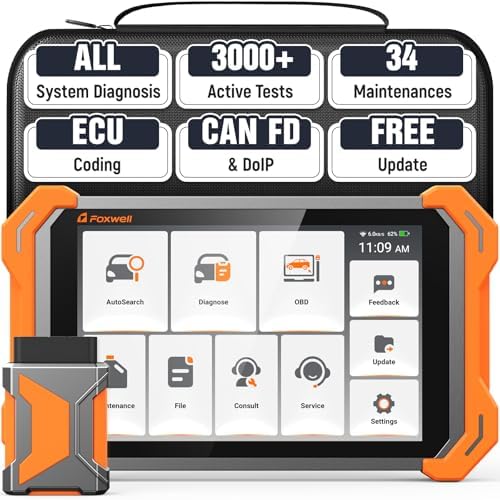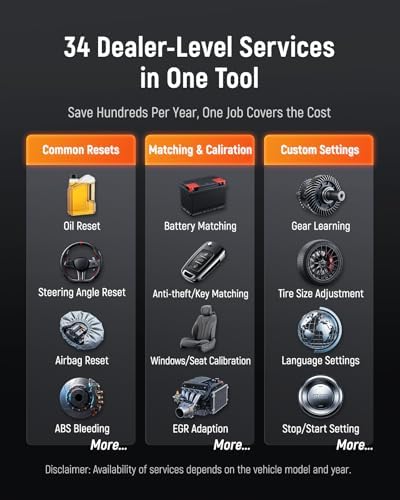
Diesel trucks and commercial vehicles use complex aftertreatment systems — DPF, DOC, SCR, and DEF — that consumer OBD2 code readers cannot fully access. When passive DPF regeneration fails, soot loads climb, power drops, and derate codes appear. A proper diesel diagnostic platform is required.
What Is DPF Regeneration?
The diesel particulate filter traps soot from exhaust. Passive regeneration burns soot during normal driving when exhaust temperature is high enough. Active/forced regeneration raises exhaust temperature intentionally through post-injection and other strategies. When conditions are not met — short trips, cold weather, faulty sensors — soot accumulates until a forced regen via scan tool becomes necessary.
What You Need in a Diesel Scanner
Look for HD-OBD support, DPF soot level readout, forced regen initiation, injector balance tests, and aftertreatment fault access. Consumer scanners like AD500 or ArtiDiag600 Pro excel on gasoline OBD2 but may not cover Class 4–8 diesel protocols.
TOPDON Options for Diesel Work
For light-duty diesel pickups (Ram, Ford, GM) with standard OBD2, AD800BT 2 and ArtiDiag600 Pro handle many DPF-related routines on supported models. For commercial HD-OBD trucks, verify your chassis protocol and port type (6-, 9-, or 16-pin) before purchasing — coverage varies significantly by manufacturer.
Who Should Buy a Truck Scanner?
Owner-operators, fleet maintainers, and diesel technicians benefit most. If you only service gasoline passenger cars, a multi-brand tool like ArtiDiag600 Pro or AD800BT 2 is a better investment than heavy-duty-specific hardware you will rarely use.